
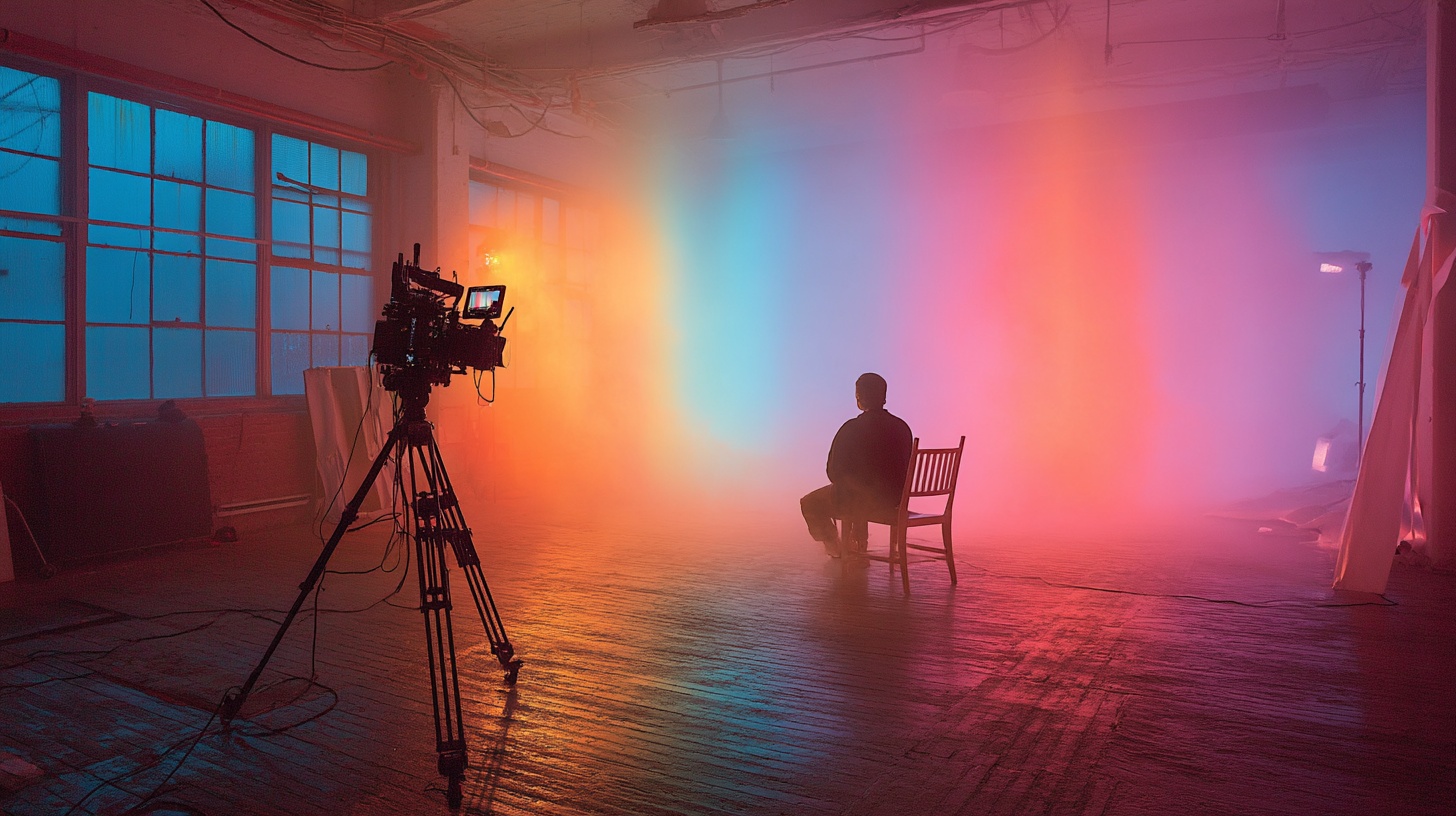
Photography is a subjective art form, which can make selecting images for a portfolio challenging. Choosing the right photos requires balancing aesthetics, technical skill, and the needs of your intended audience. For instance, in professional secret proposal photography, like a session in Dumbo with the Manhattan Bridge view, the images must capture the moment beautifully and resonate with the couple’s emotions. Ultimately, the purpose and audience of your portfolio should guide which photos you include.
How to choose images for a photography portfolio
Choosing the right photos involves time, focus, and the ability to self-critique. These questions can help evaluate work constructively:
- Why does this photo stand out or fall short?
- Is this photo stronger than others in the collection?
- Should this photo be included, even if it’s not technically perfect?
- Would others find this photo appealing?
These questions encourage a critical and positive approach to building a portfolio. The goal is to showcase the best work, not to dwell on imperfections. Photos can be organized into categories to tailor the portfolio to different audiences. For example, an urban photography portfolio might include iconic locations such as Central Park, the Brooklyn Bridge, and Times Square.
Dividing photos into categories allows flexibility, especially with digital portfolios, which can easily be customized. While printed books require fixed selections, loose, mounted prints offer a traditional approach with the ability to tailor presentations for different viewers.
How many images should a portfolio include?
A portfolio should feature only the strongest work. The number of photos depends on the photographer’s experience. For those starting out, a handful of excellent images is better than a larger collection of average ones. Experienced photographers may have more to choose from, but including too many images can overwhelm viewers.
For example, NYC Proposal Photography Packages often focus on showcasing a select few stunning proposal shots to attract clients. Feedback from trusted colleagues or seasoned photographers is invaluable in refining the selection and determining the optimal number of images to include. Balancing variety and quality across different styles ensures a well-rounded portfolio.

Consider style and direction
The photos included in a portfolio should reflect both personal style and the direction of the photographer’s career. Older work that no longer aligns with current goals should be left out. Instead, the focus should be on images that represent the desired direction. If few photos exist in the intended style, include a selection and update the portfolio as more relevant work becomes available. For example, an urban photography portfolio might feature dynamic shots of city skylines or iconic locations.
Know the Audience
A portfolio should be tailored to its intended audience. For instance, a portfolio for a sports photography role should focus on action-packed shots rather than unrelated subjects like flowers. For photographers working across multiple genres, creating flexible portfolios ensures the ability to showcase the most relevant images. Including a few unexpected or creative shots can also inspire clients with fresh ideas.
Presenting the Portfolio
Printed Books: High-quality printed portfolios leave a lasting impression but lack flexibility for adjustments.
Mounted Prints: Loose, mounted prints provide a traditional and customizable option, allowing only the most relevant images to be presented to each audience.
Digital Portfolios: Digital portfolios are the most convenient and flexible method. Platforms like 500px, Flickr, or SmugMug are excellent for showcasing work online. Personal websites can also be used to display photos in a way that reflects branding. Offline collections, stored on a phone, tablet, or laptop, ensure readiness to share work anytime, even without internet access. For example, showcasing urban photography might include vibrant shots of landmarks like the Empire State Building or Soho’s streets.
By carefully curating images, tailoring the portfolio to the audience, and selecting the right presentation method, a strong and impactful photography portfolio can be created. This approach highlights talent and aligns with career goals, whether capturing candid moments in bustling cities or breathtaking landscapes elsewhere.

I am Harish Melendez, a seasoned business consultant with over 15 years of industry experience. My mission is to help entrepreneurs achieve their goals by offering practical and insightful advice. This passion for support and guidance is why I contribute to this platform.