
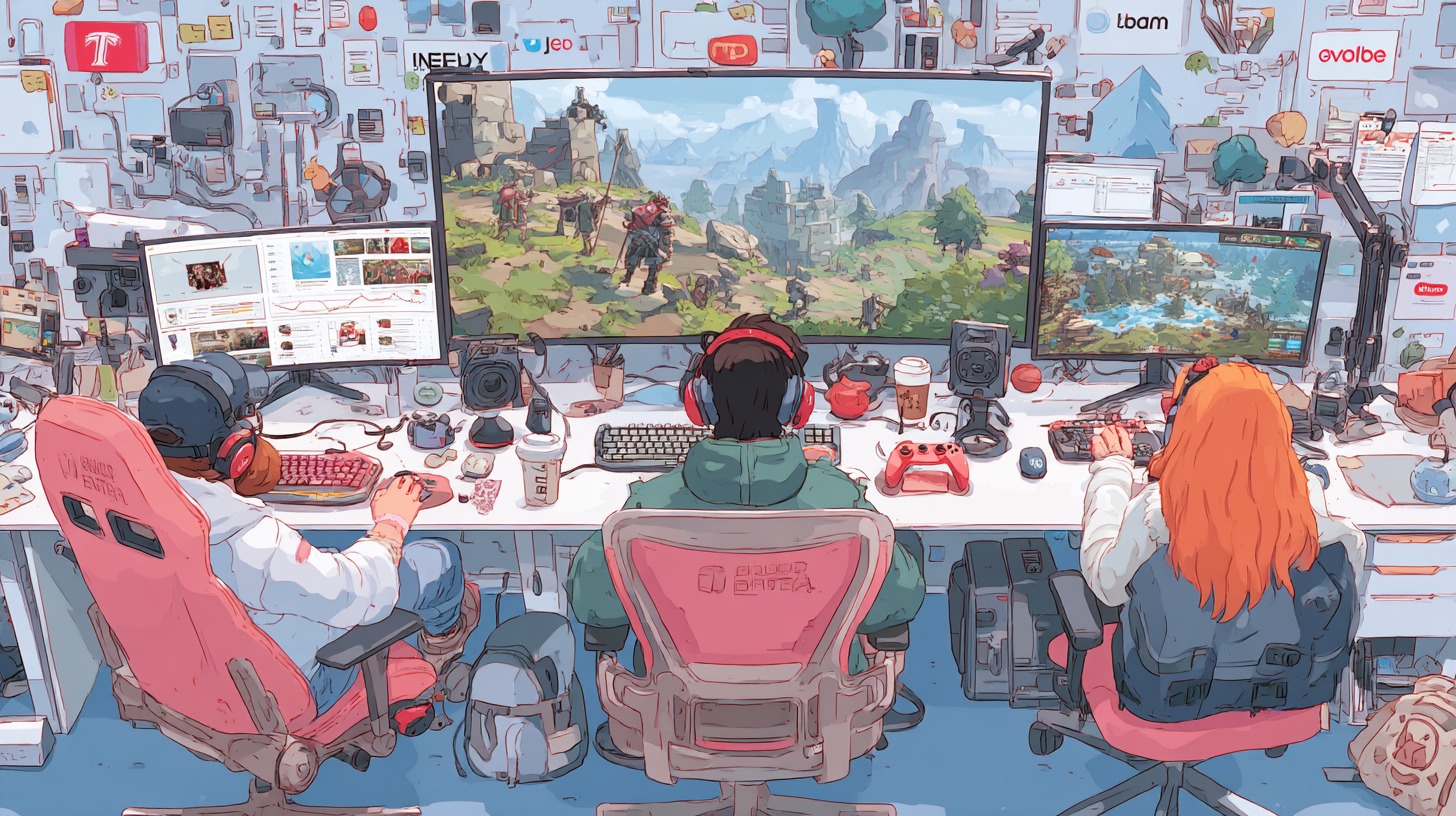
Gaming is no longer a subculture; it’s infrastructure. What was once “esports marketing” has become a central part of global brand strategy. The lines between gaming, sports, entertainment, and live broadcasting have blurred. Brands that understand this shift are building deeper, more sustainable fan ecosystems.
From nostalgic players looking for Delta Force cheats to modern gamers seeking new advantages, the desire to enhance the in-game experience has always been present. This desire for an edge or a new way to play is a core part of gaming culture.
Here are the key gaming trends and what they mean for rights holders, publishers, and brands.
1. Gaming IP is now mainstream entertainment
Franchises born in games are now global entertainment properties. Major launches are no longer just patch notes or trailers; they are multi-day live events and cultural moments. For brands, this means gaming partnerships must be treated like major sports or music festival sponsorships. It’s not about logo placement; it’s about shared cultural capital.
2. Experiential gaming is replacing passive marketing
Fans don’t just want to be told a story; they want to be part of it. The most successful gaming activations now combine physical immersion, creator participation, livestream integration, and community competition. Live events have become content engines for real-time digital distribution. This shift to immersive experiences is changing how brands approach experiential marketing. Static booths are out; interactive ecosystems are in.
Some players even seek new possibilities or advantages within games by using cheats, like those found at https://wh-satano.ru/en/cheats/delta_force, to deepen their personal experience.
3. Livestreaming is the primary broadcast layer
Livestreaming is no longer an add-on; it is the primary distribution model. Events are now designed to serve both the in-person and global digital audiences simultaneously. Production expectations have changed, now requiring multi-camera broadcast quality, real-time clip distribution, creator co-streaming, and interactive overlays. Brands entering gaming must think like broadcasters.
4. Creator-led ecosystems are the new media model
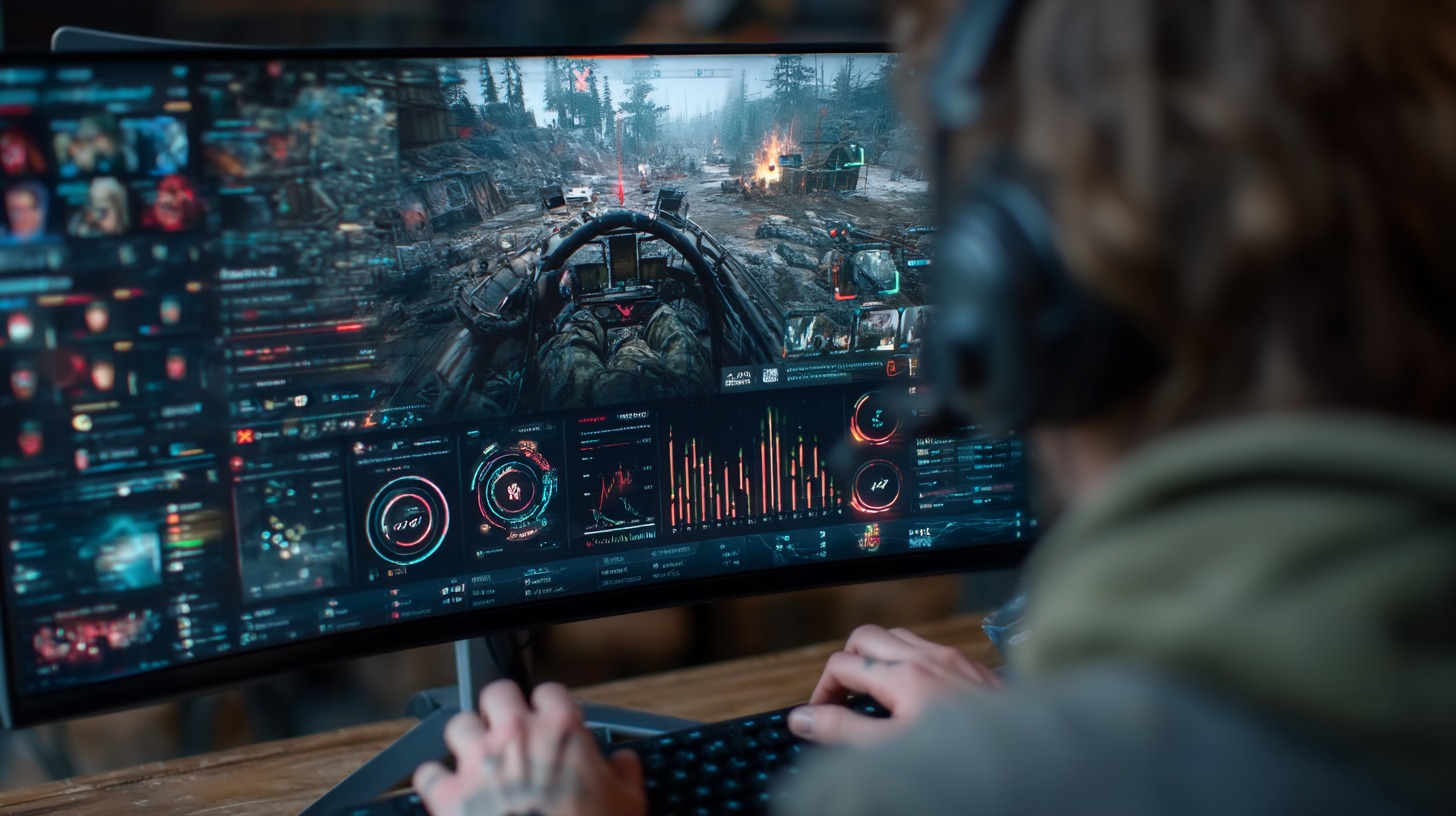
Gaming culture is creator-native, meaning traditional media buying is ineffective. Influence is distributed across creators who act as cultural translators for their communities. Smart brands are building creator-first launch models, embedding influencers into live formats, and designing activations that generate organic amplification. The shift is from paid to participatory media.
5. Sports and gaming are converging
Competitive gaming is adopting formats from traditional sports, while sports leagues are using gaming-native storytelling and creator collaboration. We are entering a hybrid era where esports feels like sport, sport feels like gaming, and broadcasts feel like community-driven content. Brands in either space must understand both worlds.
6. Fan engagement is a long-term system
The biggest mistake brands make in gaming is treating it as a one-off campaign. Gaming communities reward consistency and expect ongoing narratives, competitive arcs, and long-term ecosystem investment. Fan engagement is no longer a campaign; it’s an operating system.
What this means for brands
Gaming is more than just another channel to reach an audience; it has evolved into a fundamental cultural layer that shapes how people interact and form communities. To successfully engage with this space, brands must develop a unified strategy that seamlessly integrates their broadcasting, experiential production, and content creation efforts.
However, many organizations find this difficult to achieve because their internal silos create friction and slow down execution. To connect authentically with gaming communities, brands must move beyond isolated campaigns and adopt fully integrated systems that treat gaming as the complex cultural ecosystem it is. The future of brand engagement in this space belongs to those who can build and manage these holistic systems.